
Ever tossed and turned at night, staring at the ceiling, wondering why sleep feels so elusive? Yeah, us too. It’s frustrating when all you want is a full night of rest but can’t seem to quiet your racing mind. Now imagine finding a natural remedy that not only soothes stress but also helps you drift off peacefully—enter lemon balm, one of nature’s best-kept secrets as a sleep support herb.
In this post, we’ll dive into how lemon balm earns its reputation in the “Weight Loss & Health” niche by enhancing sleep quality (and why better sleep = healthier weight). We’ll explore its science-backed benefits, actionable tips for incorporating it into your routine, real-world success stories, and even some brutal honesty about what doesn’t work. By the end, you’ll have everything you need to decide if lemon balm deserves a spot on your wellness shelf.
Table of Contents
- Why Sleep Matters for Health & Weight Loss
- What Makes Lemon Balm a Sleep Support Herb?
- How to Use Lemon Balm Effectively
- Lemon Balm Success Stories
- FAQs About Lemon Balm and Sleep
Key Takeaways
- Lemon balm is an herbal powerhouse packed with calming properties that support sleep.
- Improved sleep directly impacts weight loss efforts through hormone regulation and reduced cravings.
- Simple ways to incorporate lemon balm include teas, supplements, or DIY recipes.
- Not all forms of lemon balm are created equal—quality matters!
Why Sleep Matters for Health & Weight Loss
If you think skipping sleep won’t affect your waistline, think again. Studies show that poor sleep messes with hunger hormones like ghrelin and leptin, making you crave junk food while reducing willpower. And let’s be honest—if you’re running on caffeine after a bad night’s sleep, meal prepping probably isn’t happening anytime soon.
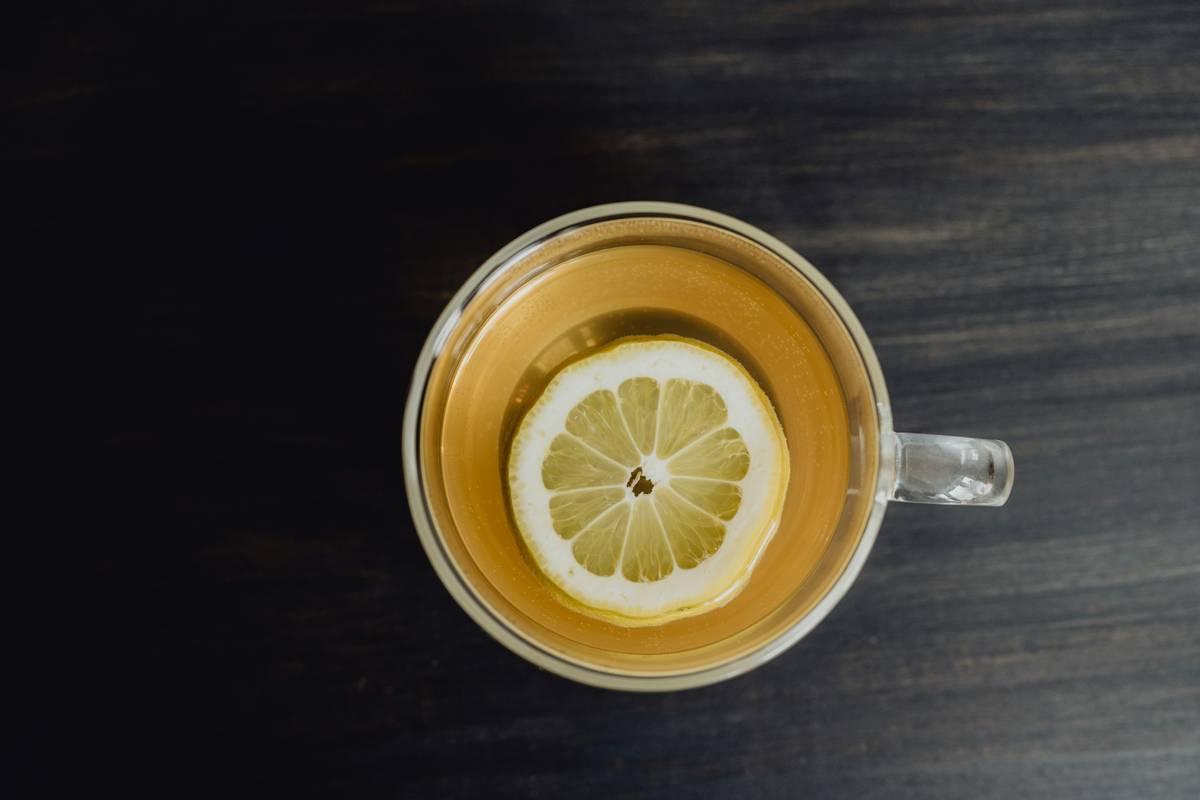
Figure 1: Lack of sleep disrupts hormonal balance, leading to overeating and sluggish metabolisms.
I learned this lesson the hard way. One week I pulled back-to-back late nights editing client work, surviving solely on coffee and fast food. Not only did my energy tank, but my jeans started feeling tighter despite not eating any more than usual. Trust me—no amount of intermittent fasting can outsmart chronic sleep deprivation.
What Makes Lemon Balm a Sleep Support Herb?
So, where does lemon balm fit into this equation? This fragrant herb from the mint family has been used since ancient times to promote relaxation and ease anxiety. Its secret lies in compounds like rosmarinic acid and flavonoids, which interact with neurotransmitters such as GABA—a brain chemical responsible for dialing down stress levels.
Optimist You: “Perfect, so I’ll just sip some lemon balm tea before bed and wake up refreshed!”
Grumpy Me: “Hold up—just because it works doesn’t mean you’ll see results overnight. Consistency is key.”
To reap the benefits, choose high-quality lemon balm products free from additives. A few drops of lemon balm extract in water or a cup of steeped dried leaves can do wonders.
How to Use Lemon Balm Effectively
1. Brew a Calming Tea
Mix dried lemon balm leaves with chamomile for a soothing bedtime drink. If plain tea isn’t your thing, try adding a drizzle of honey for sweetness.
2. Take It in Supplement Form
Capsules or tinctures provide higher doses of active ingredients. Look for trusted brands and consult a healthcare provider if you’re unsure.
3. Make Your Own Pillow Spray
Combine lemon balm essential oil with lavender and water in a spray bottle. Mist your pillow 15 minutes before bedtime for a spa-like experience.
Lemon Balm Success Stories
Take Sarah, a 34-year-old teacher who struggled with insomnia due to her demanding job. After months of restless nights, she discovered a simple blend of lemon balm tea and magnesium supplements. Within two weeks, she reported falling asleep faster and waking up less frequently during the night. She even joked that her scale finally showed some movement—not because she dieted harder, but simply because she was sleeping enough to curb nighttime snacking.
This kind of anecdotal evidence pairs well with scientific studies proving lemon balm’s effectiveness. Remember though—you’re unique, so what works for someone else might require tweaking for your lifestyle.
FAQs About Lemon Balm and Sleep
Does lemon balm actually work as a sleep aid?
Yes, research suggests that lemon balm reduces anxiety and improves sleep quality, thanks to its interaction with calming brain chemicals.
Can I consume too much lemon balm?
While generally safe, excessive use may cause nausea or dizziness. Stick to recommended dosages unless advised otherwise by a professional.
Is lemon balm safe for kids?
Always check with a pediatrician first. While it’s considered gentle, children metabolize herbs differently than adults.
Conclusion
Who knew a humble herb could pack such a punch when it comes to supporting both sleep and overall health? Whether you’re sipping on a warm mug of lemon balm tea or misting your pillows with its essence, there’s no denying its potential benefits. However, remember—it’s not magic. Combine lemon balm with good sleep hygiene practices for optimal results.
Oh, and here’s a bonus haiku for sticking around:
Sleepless nights begone,
Lemon balm whispers peace,
Dreams await within.

